
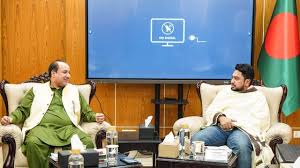
The Current Political Landscape in Bangladesh: Challenges and Criticisms
In recent months, Bangladesh’s political climate has been under intense scrutiny, with widespread criticism directed at the interim government. Citizens, political analysts, and activists have raised serious concerns about the government’s inefficacy, particularly in relation to controversial figures like Nobel laureate Mohammed Yunus and groups such as Jamaat-e-Islami. This has sparked alarming discussions about the nation’s future trajectory, with some drawing unsettling parallels to Afghanistan.
Growing Discontent with the Interim Government
The interim government, established in the wake of political turbulence, has faced significant backlash from various sectors of society. Critics argue that it has failed to address key issues, including economic instability, human rights abuses, and systemic corruption. Instead of fostering stability and progress, many feel the government has deepened public disillusionment and eroded trust in leadership.
Key areas of criticism include:
- Economic Mismanagement: The government has been unable to curb rising inflation and unemployment, further straining the nation’s economy.
- Human Rights Violations: Reports of police brutality and suppression of dissent have tarnished the government’s credibility.
- Controversial Associations: Alleged ties to figures like Mohammed Yunus have raised concerns about governance and transparency.
- Influence of Jamaat-e-Islami: Fears of increasing religious extremism in policymaking have intensified public skepticism.
- Comparisons to Afghanistan: Many worry that the nation’s trajectory mirrors the instability and governance challenges of Afghanistan.
The Role of Mohammed Yunus in the Political Discourse
Mohammed Yunus, globally celebrated for his contributions to social entrepreneurship and microfinance, has recently become a contentious figure in Bangladesh’s political context. While his microfinance initiatives have historically been lauded, critics argue that the interim government has co-opted his legacy to mask deeper structural issues.
Yunus’s association with the administration has raised questions about his alignment with its goals. Although his vision emphasizes economic development, detractors contend that his involvement lends undue legitimacy to a government perceived as ineffective and disconnected from the people’s needs.
Jamaat-e-Islami’s Complicated Presence
The involvement of Jamaat-e-Islami, a political party with a controversial history, adds another dimension to the current political challenges. Historically accused of extremism and implicated in violent incidents during Bangladesh’s tumultuous past, the party’s influence within the government has been met with skepticism. Critics fear that its presence could steer the country away from its secular and democratic foundations.
Calls for accountability have grown louder, with many warning that Jamaat-e-Islami’s political maneuvers could exacerbate unrest among citizens seeking governance rooted in democratic principles and civil liberties.
A Nation at a Crossroads
Bangladesh’s interim government faces an urgent need to rebuild trust and address widespread criticisms. The intertwined roles of figures like Mohammed Yunus and groups like Jamaat-e-Islami complicate this already challenging landscape, demanding decisive action and meaningful reform.
Moving forward, the government must prioritize transparency, accountability, and responsiveness to the needs of its citizens. Ignoring these calls for change risks pushing the nation further into political instability and undermining its democratic values. The need for a renewed focus on governance that champions civil liberties, economic stability, and social justice has never been more pressing.
ভালোবাসা অবিরাম একজন গুনীজন শিল্পী কে সম্মান জানানো জন্য সবাইকে ধন্যবাদ ❤❤❤
প্রিয় নেতা নাহিদ ভাই আমাদের দেশের গর্ব❤❤
Love and dua for Rahat Fateh Ali from Bangladesh.
Hats off to Ustad Rahat Fateh Ali Khan
আলহামদুলিল্লাহ
বাংলাদেশ পাকিস্তান ভাই ভাই 🫂🇧🇩🇵🇰🤲
রাহাত ফতেহ আলী খান ভাই অসংখ্য ধন্যবাদ ও অভিনন্দন! ভালোবাসা অবিরাম ❤❤❤
দুপুর থেকে ইনকিলাব মঞ্চের ছাত্ররা নিরাপত্তার দাবিতে অনশন পালন করতেছে ওইখানে যাইতে পারতেছে না। কয়দিন হইছে উপদেষ্টা হয়েছেন? এখনই যদি চর্বি গজায় যায় বাকি জীবন তো পইড়াই আছে।
পাকিস্তান বাংলাদেশ সরাসরি ফ্লাইট চালু করা হোক 🇵🇰🤝🇧🇩💐 কাস্মীর যাওয়া লাগবে ঘোরতে💪☝️💪
রাজাকার দের আব্বু আসছে 😂😂😂
Dada der desh theke ekta malaoon niye ashle khushi hotam.😂
খবর নেন তাদের থেকে আমাদের শিল্পির মান সম্মান অনেক উপরে
আলহামদুলিল্লাহ
বাংলাদেশ পাকিস্তান ভাই ভাই
উনি একজন কিংবদন্তী এবং তার যে মহান শিক্ষক ছিলেন তিনিই একজন মহা কিংবদন্তী
দুপুর থেকে ইনকিলাব মঞ্চের ছাত্ররা নিরাপত্তার দাবিতে অনশন পালন করতেছে ওইখানে যাইতে পারতেছে না। কয়দিন হইছে উপদেষ্টা হয়েছেন? এখনই যদি চর্বি গজায় যায় বাকি জীবন তো পইড়াই আছে।
আলহামদুলিল্লাহ
বাংলাদেশ পাকিস্তান ভাই ভাই
শুনলাম বিপিএল থেকে নাকি প্রায় ৪ কোটি পারিশ্রমিক নিবে?