
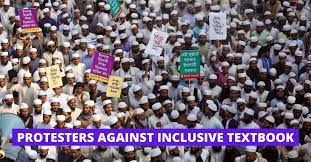
In recent years, the issue of transgender rights and inclusion has gained increasing attention in Bangladesh. This has been largely due to the story of Sharifa, a transgender woman who was publicly shamed and discriminated against in a Bangladeshi television program. This incident has sparked a national conversation about the treatment of transgender individuals in the country, and has shed light on the larger issue of discrimination against transgender people and Hindu minorities in Bangladesh.
Bangladesh is a predominantly Muslim country, where traditional cultural and religious beliefs often view transgender individuals as deviant and reject their existence. This has resulted in a lack of legal recognition and protection for transgender people, leaving them vulnerable to discrimination and violence. The situation is even worse for Hindu minorities, who face double discrimination based on their religion and gender identity.
The recent controversy surrounding Sharifa’s story has brought to the forefront the deeply ingrained societal attitudes towards transgender people in Bangladesh. Many conservative groups and individuals have voiced their disapproval of Sharifa’s gender identity and have used the incident to reinforce their beliefs that transgender individuals are immoral and should not be accepted in society.
The backlash over Sharifa’s tale has had a profound impact on the transgender community in Bangladesh. It has not only subjected them to further discrimination and ridicule but has also hindered their struggle for acceptance and equality. Transgender individuals in Bangladesh face numerous challenges, including limited access to education and employment opportunities, leading to a cycle of poverty and exclusion. This discrimination and marginalization also result in high rates of violence and harassment towards transgender individuals.
One crucial step towards promoting acceptance and tolerance towards transgender individuals in Bangladesh is through education. However, textbooks in the country often perpetuate harmful stereotypes and do not address the existence and rights of transgender people. It is essential for the government to introduce more inclusive textbooks that promote diversity and teach acceptance towards all individuals, regardless of their gender identity or sexual orientation.
The government also plays a significant role in protecting the rights of transgender individuals and addressing the discrimination they face. While Bangladesh does not have specific laws protecting the rights of transgender individuals, the government has taken some steps towards recognizing their existence. In 2013, the government recognized a third gender category, ‘hijra,’ on official documents. However, more needs to be done to ensure the full protection and inclusion of transgender individuals in all aspects of society.
To create a more inclusive and tolerant environment for transgender individuals in Bangladesh, both the government and society as a whole need to take action. This includes implementing laws that protect the rights of transgender individuals, providing access to education and employment opportunities, and promoting awareness and acceptance through education and media campaigns. Furthermore, society needs to challenge and change its attitudes towards transgender individuals and Hindu minorities, recognizing and embracing their diversity.
However, there are concerns that the ruling Awami League government is exploiting the issue of transgender rights for political gain. While the government has taken some steps towards recognizing the rights of transgender individuals, there is a need for genuine and sustained efforts to address the discrimination and violence they face. The government must ensure that their actions towards the transgender community are not merely for political gain, but instead, they genuinely strive towards creating a more inclusive and equal society for all.
In conclusion, the issue of transgender rights and inclusion in Bangladesh is a complex and deeply entrenched one. It is crucial to address this issue and work towards creating a more inclusive and tolerant society for all individuals. The recent controversy surrounding Sharifa’s story has sparked a much-needed conversation, and it is time for the government and society to take concrete steps towards protecting the rights and promoting the acceptance of transgender individuals in Bangladesh. With the right efforts and policies in place, there is hope for positive change and progress towards a more inclusive and equal society in the country.
Please support us by visit and share your comments on : https://bdrealissues.blog/ and https://daily-nobojug.com/
Bangladesh is a Islamic country. Trans and Hindus are not welcome in here.
Stop writing this kind of Blog.
As you are a hindu you are not welcome in bangladesh just go india
we hate trans and hindus.
Government should bring you in the country and put you in the jail.
Guys like you has no right to come back in this country. You will get killed if you come back here.
Go to hell you fucking bustard
Hindus should go in india. what are they doing in here.